



Bacterial vaginosis, or BV, is the most common vaginal problem for women between 15 and 44, according to Cleveland Clinic, and about 35% of people with a vagina will have it at some point. It isn't dangerous in most cases, but it can be unpleasant, and it has a habit of coming back. If what you've noticed is mostly a change in smell, our article on why your vulva might smell different covers the wider list of causes.
This article explains what BV is, the signs to look for, how it's diagnosed and treated, why it returns, and what the evidence says about the home remedies you'll find online. It's general information to help you understand what's going on and talk to a doctor. It isn't a substitute for a diagnosis.
In this article
- What bacterial vaginosis is
- What raises the risk
- The signs to look for
- BV or a yeast infection
- How BV is diagnosed
- How BV is treated
- What about natural remedies
- Habits that lower the risk of it coming back
- Comfort for the skin while you're treated
- When to see a doctor
- Frequently asked questions
What bacterial vaginosis is
The vagina is home to many kinds of bacteria that normally keep each other in balance. Most of the time, lactobacilli, often called the good bacteria, are the main group. Cleveland Clinic explains that BV happens when other bacteria, called anaerobes, grow more quickly than the lactobacilli, and the usual balance breaks down.
What sets off that change isn't fully understood. The NHS says plainly that what causes this to happen is not fully known.
BV isn't classed as a sexually transmitted infection. The NHS adds that sex can trigger it or pass it on, and that someone who has never had sex can get it too. It also notes that BV raises the risk of catching an STI, which is one reason it's worth treating. Our article on sex and the vaginal microbiome goes further into how sex affects the bacteria in the vagina.
What raises the risk
Anything that changes the vagina's usual chemistry can shift its bacteria. The NHS and Cleveland Clinic list these as making BV more likely:
- Sex, and a new partner or more than one partner. Sex without condoms or dental dams is on Cleveland Clinic's list.
- Douching. Rinsing inside the vagina changes the natural balance of bacteria, and Cleveland Clinic names it as a cause.
- Perfumed products in or around the vagina. The NHS lists perfumed products used there as a risk.
- An IUD. Both sources include the device placed in the uterus for contraception.
- Pregnancy and antibiotics. Cleveland Clinic lists both.
None of these means you did something wrong. Many people with BV have none of them, and the exact trigger is often unknown.
The signs to look for
The main sign is a change in discharge. The NHS describes it as an unusual vaginal discharge that has a strong fishy smell, particularly after sex. The discharge may also turn thin and greyish-white. Cleveland Clinic adds that it can be off-white, grey or greenish, and that some people feel burning when they pee.
BV doesn't usually cause soreness or itching, according to the NHS, which is one way to tell it apart from a yeast infection.
Many people have no signs at all. The NHS says half of women with BV have no symptoms, and Cleveland Clinic puts it at up to 84%. That's why BV sometimes turns up only during a test for something else.
A discharge that's yellow or green can have other causes, some of them infections that need different treatment. Our guide to yellow discharge and what it can mean covers those.
BV or a yeast infection
The two get mixed up often, and the treatments are different. Here is how the NHS and Cleveland Clinic describe each one.
| Bacterial vaginosis | Yeast infection (thrush) | |
|---|---|---|
| Discharge | Thin, greyish-white, sometimes off-white or greenish | White, often compared to cottage cheese |
| Smell | Strong and fishy, often stronger after sex | Does not usually smell |
| Itching | Not usual | Itching and irritation around the vulva and vagina |
| Other signs | Some burning when peeing | Soreness and stinging during sex or when peeing |
| Treated with | Antibiotics, prescribed | Antifungals |
Cleveland Clinic warns that using a yeast infection product when you actually have BV could make BV worse. If you're not sure which one you have, a test settles it. If yeast infections are what keep coming back for you, our article on recurring yeast infections covers that side.
How BV is diagnosed
Cleveland Clinic states that only a healthcare provider can diagnose BV. The visit is usually short. Your provider may:
- Ask about your symptoms and your history, including any past episodes.
- Do a pelvic exam to look at the vagina and the discharge.
- Take a sample of discharge and look at it under a microscope.
- Check the vaginal pH. Cleveland Clinic notes that a higher pH may point to BV. Our article on vaginal pH explains what the number means.
In Canada, a family doctor, a walk-in clinic or a sexual health clinic can do this. If you're pregnant and your discharge changes, the NHS advises speaking to your doctor or midwife.
How BV is treated
BV is treated with antibiotics, prescribed by a doctor or a clinic. Cleveland Clinic names the two most used: metronidazole and clindamycin. They come as pills, or as a gel or cream that goes into the vagina. The CDC's treatment guidelines list the same two as recommended options.
A few things are worth knowing:
- Finish the whole course. Cleveland Clinic says stopping when the symptoms fade raises the chance BV comes back.
- One course is usually enough. Most cases clear after one course, which can last up to seven days. Cleveland Clinic says about 10% to 15% of people need a second round.
- Partners. The CDC doesn't recommend routine treatment of sex partners. The NHS and Cleveland Clinic both say a partner who has a vagina may have BV too and may need treatment.
- Pregnancy. The CDC recommends treatment for every pregnant woman who has symptoms, and Cleveland Clinic links BV in pregnancy to premature birth and low birth weight.
BV often comes back. The NHS says it's common for it to return, usually within a few months, and Cleveland Clinic says up to 80% of people get it again at some point.
If it returns more than four times a year, the NHS says a doctor may suggest an antibiotic gel used regularly for a few months. The CDC guidelines also describe a longer plan for repeated episodes, which in some cases includes boric acid after a course of antibiotics. Our article on boric acid explains why that's a step to take only with a doctor.
What about natural remedies
Searches for BV often lead to home remedies. Here is what the health sources we checked say about the most common ones. Cleveland Clinic's starting point is clear: there are no over-the-counter products to treat bacterial vaginosis.
Apple cider vinegar. Vinegar baths and rinses are often suggested to make the vagina more acidic. None of the sources we checked (the NHS, Cleveland Clinic and the CDC) lists vinegar as a treatment for BV. The NHS advises against vaginal washes and douches, and against adding perfumed products to the bath. We don't recommend vinegar in the bath or near the vagina.
Tea tree oil. Tea tree oil is sometimes suggested because of its antibacterial reputation. The US National Center for Complementary and Integrative Health reports no research on it for vaginal infections, and it notes that some people may develop redness or irritation of the skin from tea tree products, even used on the skin. On the delicate skin of the vulva, or inside the vagina, that risk matters more. We don't recommend it for BV.
Probiotics and yogurt. Lactobacilli are the good bacteria in the vagina, so probiotics sound logical. The CDC's guidelines say that, overall, no studies support these products as an add-on to treatment or a replacement for it. Eating yogurt is fine as food, but it isn't a BV treatment.
Douching. The CDC says douching might increase the risk of BV coming back, and that no data support it for treatment or for relief.
The pattern across these is the same: what helps is a diagnosis and the right prescription, plus the everyday habits below. A remedy that delays the visit can let BV go on longer than it needs to.
Habits that lower the risk of it coming back
Cleveland Clinic is honest that you can't fully prevent BV. The NHS and Cleveland Clinic share a short list of habits that can lower the risk and ease symptoms:
- Wash the outside with water, or water and plain soap. The NHS advises against vaginal deodorants, washes and douches. Our article on whether you should wash your vulva goes through how.
- Take showers instead of baths, and skip perfumed soaps, bubble bath, shampoo and shower gel in the bath, as the NHS suggests.
- Wash underwear with a mild detergent. The NHS advises against strong detergents.
- Wear cotton underwear, which Cleveland Clinic recommends.
- Use condoms or dental dams, and avoid vaginal contact with anything that has touched the anus, such as a finger or a toy. Cleveland Clinic suggests covering shared sex toys with a condom.
- Don't smoke. The NHS includes it on its list.
Comfort for the skin while you're treated
BV is treated with antibiotics, and nothing you put on the skin replaces them. What a balm can do is look after the skin of the vulva while you go through it. Discharge, extra washing and rubbing can leave that skin dry and uncomfortable.
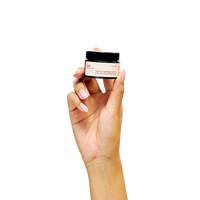
Lips, our vulva balm, is made for that skin. It's made with organic plant oils and candelilla wax, with no fragrance, no hormones and no petroleum. It moisturizes, softens and soothes dry skin on the vulva and the skin around it. Lips does not treat or prevent BV or any other infection.
A few things to keep in mind:
- External use only. Apply a pea-sized amount with clean hands to the vulva and the skin around it, never inside the vagina.
- Avoid broken skin and mucous membranes, and patch test first.
- Stop if it irritates, and talk to a healthcare professional.
For more on caring for the outer skin day to day, our vulva care routine goes through it step by step.
When to see a doctor
See a doctor, a walk-in clinic or a sexual health clinic if:
- You think you have BV. The NHS advises it, even when the symptoms are mild.
- You're pregnant and your discharge changes. Treatment matters more in pregnancy.
- Your discharge is yellow or green, or you have pain low in your belly. These can point to another infection. Cleveland Clinic notes that BV can lead to pelvic inflammatory disease, an infection of the reproductive organs.
- Symptoms don't clear after treatment, or BV keeps coming back. A longer treatment plan may help.
For the bigger picture of what's normal for the vulva and when to have something checked, our vulva health guide brings it all together.
Frequently asked questions
Can BV go away on its own?
Sometimes. Cleveland Clinic says some cases clear without medication, but it still advises seeing a provider if you have symptoms. BV raises the risk of catching an STI and, in pregnancy, is linked to premature birth, so a diagnosis is worth getting.
Is BV a sexually transmitted infection?
No. The NHS says BV isn't classed as an STI, but sex can trigger it or pass it on, and people who have never had sex can get it. Having BV also makes it easier to catch an STI, so condoms and dental dams help on both counts.
Does apple cider vinegar help with BV?
None of the health sources we checked, the NHS, Cleveland Clinic and the CDC, lists vinegar as a treatment. The NHS advises against vaginal washes and douches. BV is treated with prescription antibiotics, so a visit to a doctor or clinic is the step that works.
Can I use tea tree oil for BV?
We don't recommend it. The US National Center for Complementary and Integrative Health reports no research on tea tree oil for vaginal infections, and it notes that tea tree products can cause redness or irritation, even on the skin. The vulva and vagina are more sensitive than most skin.
Can a vulva balm help with BV?
Not with the infection itself: BV is treated with antibiotics prescribed by a doctor. A balm like Lips can moisturize and soothe dry, uncomfortable skin on the vulva while you're treated. It's for external use only, and it does not treat or prevent BV.
Does my partner need treatment too?
The CDC doesn't recommend routine treatment of sex partners. If your partner has a vagina, the NHS and Cleveland Clinic say they may have BV too and may need treatment, so it's worth telling them.
Sources
- What BV is, symptoms, risks, treatment, recurrence and self-help: NHS, Bacterial vaginosis
- How common BV is, causes, symptoms, diagnosis, treatment, complications and prevention: Cleveland Clinic, Bacterial vaginosis
- Recommended treatments, probiotics, douching, partners and pregnancy: CDC, Bacterial vaginosis, STI treatment guidelines
- Tea tree oil safety and research: NCCIH, Tea tree oil
- Symptoms of a yeast infection: NHS, Thrush
About this article
Written by the Peach & Cream team, based in Montréal. Last updated October 15, 2026. Medical facts come from the NHS, Cleveland Clinic, the CDC and the US National Center for Complementary and Integrative Health, linked above. Product facts come from the Lips product page. This article is general information, not medical advice. Lips does not treat or prevent any condition.